
Top Story • April 23, 2026
Trump encourages companies to avoid seeking tariff refunds
Illustrative image for the Trump tariff refund story.

Tariff Action helps importers and business leaders assess tariff exposure, understand protest and recovery pathways, and get organized before timing, process, or internal confusion narrows the opportunity.
Structured initial review for importers, finance leaders, and business decision makers.
For many businesses, tariff recovery is not a simple filing task. The real challenge is visibility. Entry records live in multiple systems. Timing questions are unclear. Finance, customs, legal, and operations are not always aligned. And no one has a clean picture of what may be recoverable, what is urgent, and what the smartest next step actually is.
Tariff Action helps turn that uncertainty into a structured recovery process.
Review historical duty payments, entry patterns, and available records to understand where meaningful recovery opportunity may exist.
Identify where protest posture, entry status, and procedural timing may affect the range of available options.
Understand whether the issue calls for refund review, protest-related strategy, drawback analysis, or a broader recovery plan.
Bring finance, legal, customs, and operations into the same decision process so action is informed and realistic.

A passive filing approach may sound easier. In practice, it often leaves the business waiting without a clear picture of exposure, documentation gaps, or the most sensible path forward. Tariff Action is built to help companies assess first, prioritize intelligently, and move with more discipline.
Businesses with meaningful tariff exposure, scattered data, and a need for clearer recovery strategy.
Decision makers who need to understand cash impact, timing, reporting implications, and internal accountability.
Leaders who need a disciplined view of process, posture, and downstream business risk.
Partners who want a credible recovery resource for clients without creating operational drag.
Waiting does not make tariff recovery simpler. Delay creates operational friction. Records become harder to gather. Internal ownership blurs. Stakeholders move on to other priorities. Passive approaches can narrow flexibility before the business has even defined the issue clearly.
The smarter first step is a structured review while the facts, records, and internal attention needed for action are still within reach.
The strongest first move is not panic, and it is not passive waiting. It is a structured review that starts with the facts and ends with a clearer path forward.
Step 1
Review import history, duty exposure, product categories, and available records.
Step 2
Identify where timing, documentation, and entry posture may justify deeper action.
Step 3
Determine whether the issue points toward protest strategy, refund analysis, drawback review, or broader planning.
Step 4
Organize documents, stakeholders, and practical next steps so the process can move efficiently.
Step 5
Track progress, support internal alignment, and help the business prepare for financial and operational implications.
Tariff Action helps businesses move from tariff uncertainty to a clearer recovery strategy.
Keep the first step simple, practical, and focused on the facts that matter most.
Browse recent updates, explainers, and planning notes relevant to importers and business leaders.
Top Story • April 23, 2026
Illustrative image for the Trump tariff refund story.
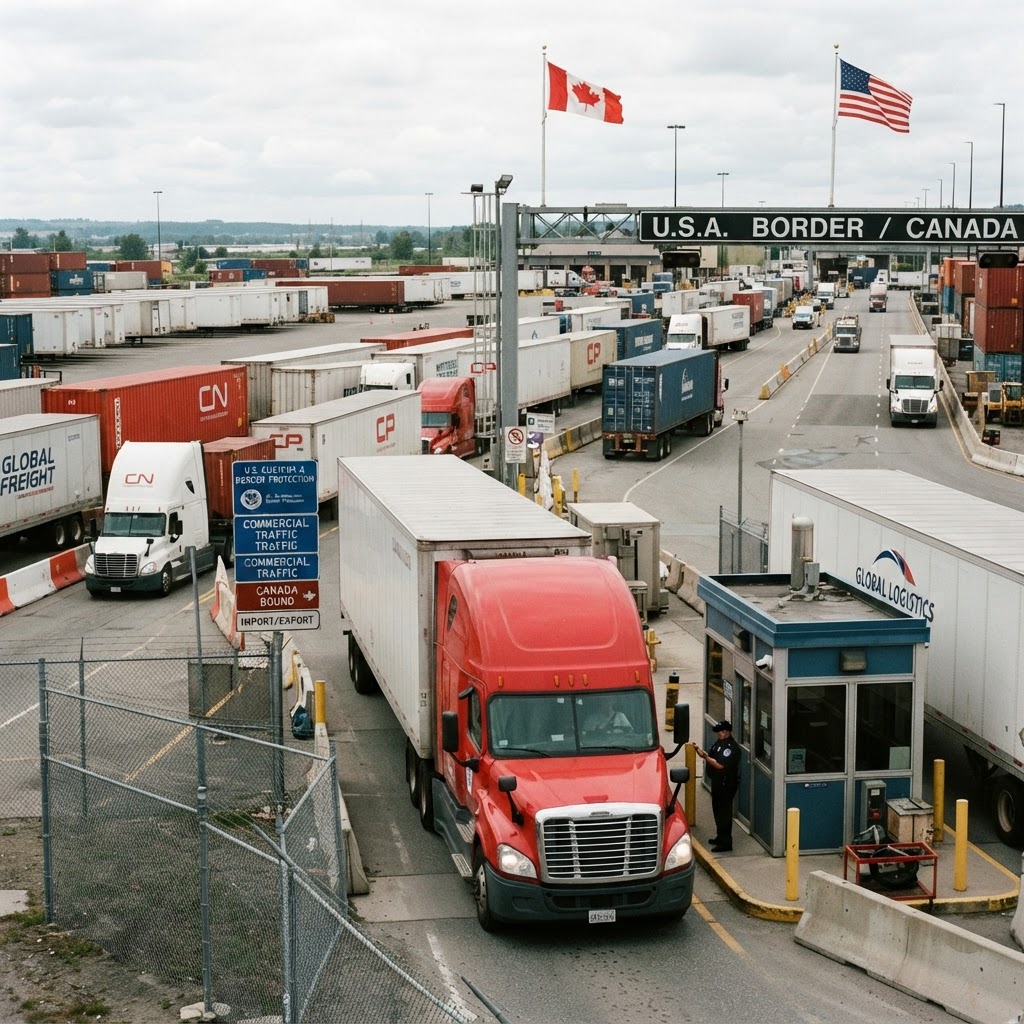
News • September 2, 2026
A sudden tariff escalation with Canada could force importers to reassess suppliers, exposure, and legal strategy quickly.
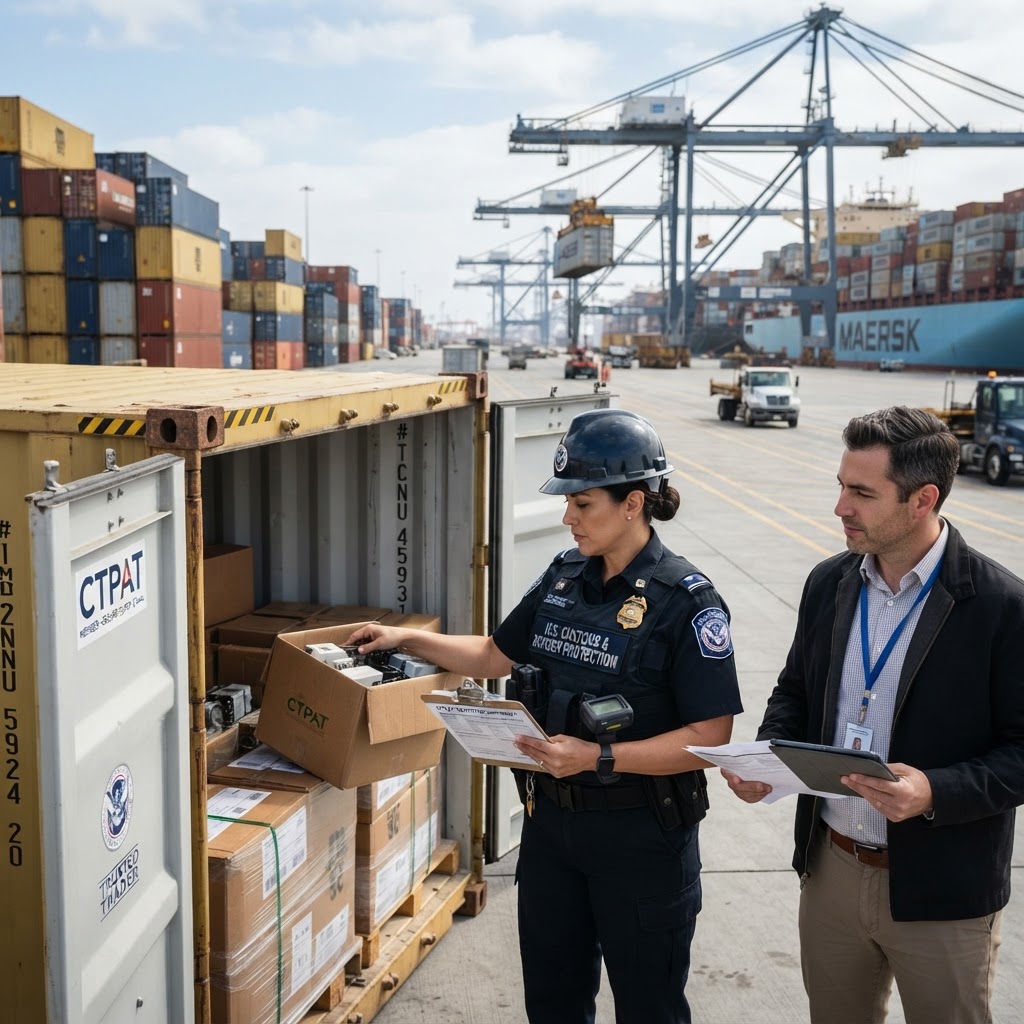
Guide • August 31, 2026
CTPAT participation may provide a compliance-based path to reduce certain tariff exposure.

News • August 2026
A major trading partner’s pushback may influence how importers assess the new forced labor tariff regime.

Analysis • August 2026
Importers may need to plan for persistence, not quick reversal, when tariff authority becomes politically entrenched.

Analysis • August 2026
Layered tariff programs can compound duty exposure in ways many importers underestimate.
Structured initial review